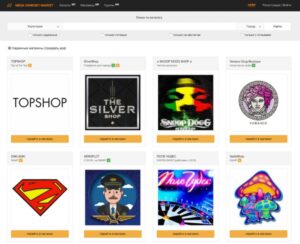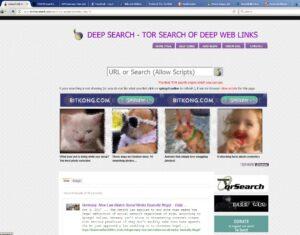
For instance, the darknet used by the Tor browser enables visitors to anonymize their online browsing activities on regular websites. Some of these password-protected pages (deep web) are marked with a “no-index” tag which prevents search bots from crawling them. Others (dark web) use specific protocols that the normal browsers (Chrome, Edge, Firefox) can’t connect with.
- (Presentation and polish isn’t quite so important on this part of the internet.) Click on any website link, and it’ll appear on screen, with its address at the top.
- NordVPN is a high-performing VPN we frequently recommend to our readers, and 1Password is a secure password manager we have reviewed in detail.
- As you may have guessed by now, not all un-indexed content is “illegal” or harmful, which further enforces my statement that the Deep web isn’t illegal, it’s purely “non-indexed” content, nothing more.
- In addition, the content on the pages don’t need any special or custom configuration to access.
- Remember that illegal activities can still incriminate you, whether you are using a Tor browser.
- This runs the gamut from illegal substances to personal information, credit card details, child sexual abuse material and, allegedly, assassination contracts.
But if you’re looking for a more obscure story, you may have to go directly to a specific newspaper site and then browse or search content to find what you’re looking for. The older the story, the more likely it’s stored only on the newspaper’s archive, which isn’t visible on the surface Web. Subsequently, that story may not appear readily in search engines — so it counts as part of the deep Web.
While this is good advice for any type of web browsing, be particularly careful not to offer up any personal details, such as your credit card info or email address. Use cryptocurrency to buy anything, and use a disposable email address for any type of communication on the dark web. I2P can only be used to access hidden sites that are only available on the I2P network. As I mentioned previously, the dark web is quite popular with journalists, political bloggers and news publishers, and others who run the risk of imprisonment in countries like Iran and others. Supreme Court will allow the FBI to search and seize any computer that’s using the Tor browser or VPN. Rule No.41 allows a federal judge to issue a search and seize warrant for any person who is using anonymity software like Tor.
Legitimate Use Cases For The Average User
Drugs, weapons, and stolen IP and data are all hot businesses on the dark web, with terabytes of information on offer. Traders cash in on stolen credit card data dumps, initial access points to vulnerable systems, credentials, and intellectual property belonging to companies compromised during cyberattacks. When the dark web is mentioned online, it is usually in tandem with criminal marketplaces and arrests made by law enforcement agencies.
Benefits Of The Deep Web
While accessing the dark web using Mozilla Firefox is possible, you must first adjust its settings. To prevent detection, the program runs user data via a tiered stream before allowing access to the dark web. I2P, or the Invisible Internet Project, allows you to access the ordinary and dark web.
Tor And The Onion Browser
That’s the reason Google struggles to index sites that don’t feature any links and fails to include numerous sites going undercover. Many websites never “surface” and remain on the deep web because they don’t have any links. Phishing sites or malware can be used to gain access to your login credentials potentially leading to data theft or account takeover. As discussed above, user profiles on the deep web are home to valuable personal data to criminals. It is important to use strong, unique credentials for every account.
Dark Web Tools And Services
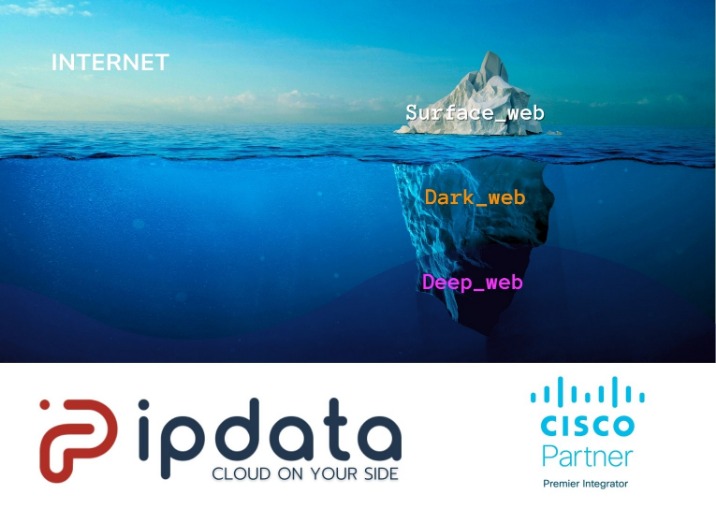
Using Tor, websites hosted on the dark web can only be viewed by visitors connected to the Tor network. Therefore, this content is inaccessible to most online users, and it is difficult to track the visitors of such websites. Most of that is legal, like your financial information in banks, social media accounts, email archives, cloud storage, academic journals, streaming libraries, etc.
Media Outlets With A Secret Door
- It has a proprietary onion site in the Tor network to give you safe access even if your country restricts VPN usage.
- Additionally, ensure you do not visit websites or social media that might require you to drop your personal details.
- It is crucial to understand the distinction between the Deep Web and the surface web, as well as the nuances of the Dark Web.
- The encryption of databases is absolutely necessary for all forms of fintech to function properly.
- This article reveals the top five key differences between the dark web and the deep web.
Customers must pay a fee, create a user id, and set up a password to get most of the material offered by these sites. Only those willing and able to pay the fees for these sites can get access to their content. This restriction of information to paying customers goes against the egalitarian spirit of the early internet. While access to movies might seem trivial, serious research tools like JSTOR and Statista also charge fees. The deep web refers to parts of the internet not fully accessible through standard search engines like Google, Yahoo!
It was created in 1999 as a secure communication platform for people and groups working on liberatory social change. The platform is protected from government interference and malicious attacks to protect the user. Navigating the Deep Web exposes users to the risk of encountering malware, phishing scams, and other cyber threats. One of the most commonly known disadvantages of the Deep Web is its association with illegal activities like arms dealing, drug trafficking, and many other forms of cybercrime. The anonymity the Deep Web provides can facilitate these activities, making it difficult for law enforcement agencies to track down perpetrators.

Continue Reading About Deep Web
In general, the rules for accessing the deep web and the dark web safely are similar to the best practices for accessing the surface web. However, you cannot simply browse to sites on the dark web — you have to take steps to ensure privacy first. The majority of internet users will have accessed the deep web, and this is commonly done on a day-to-day basis, without even knowing that it is the deep web that they are using. The deep web is used to access a wide variety of different web pages and online information in a way that retains its privacy.
What Is The Deep Web?
The dark web serves as a haven for individuals who value privacy or face threats to their personal security. By leveraging technologies like the Tor network, users can communicate securely and access information without exposing their identities. This anonymity is particularly crucial for vulnerable groups, such as political dissidents, journalists, and activists operating under authoritarian regimes.
Web crawlers don’t enter words into input fields like search boxes, so they may never get to this material. This is particularly true of information-heavy sites, like government resources or online publication sites. ”, the search results page returns Internet locations (i.e. webpages) that contain those words.

If an activity is deemed illegal by the governing bodies you fall under, then it would be illegal. However, you can still take illegal actions within Tor that could incriminate you regardless of the browser’s legality. You could easily use Tor in an attempt to pirate copyrighted content from the deep web, share illegal pornography, or engage in cyber terrorism. Using a legal browser will not make your actions fall to the right side of the law. The dark web was once the province of hackers, law enforcement officers, and cybercriminals. However, new technology like encryption and the anonymization browser software, Tor, now makes it possible for anyone to dive dark if they’re interested.
This enigmatic facet, occupying the darker recesses of the Deep Web, is aptly denoted as the Dark Web — domain where covert and potentially criminal operations seek refuge. For instance, platforms like PubMed (a repository of biomedical research) and LexisNexis (a database for legal professionals) are quintessential examples of deep web resources. These sites require user authentication, ensuring that proprietary or sensitive information is accessible only to a defined audience. Websites often use SSL (Secure Sockets Layer) and HTTPS protocols to ensure that data transferred between the user and the server is encrypted. Authentication systems ensure that only authorized users can access specific content.