The data included phone numbers, email addresses, and other personally identifiable information – a gold mine for phishers. We would also advise consulting your legal team when writing dark web security policies. Legal advice ensures you stay on the right side of the law while benefiting from dark web threat monitoring.
Firstly, use a reliable VPN to hide your IP address and avoid being tracked by law enforcement. Additionally, only access the dark web through a secure and anonymous browser like Tor. Avoid using your real name, email, or any personal information on dark web platforms to minimize the risk of being targeted by government agencies. The internet is a vast and mysterious place, filled with hidden layers beyond the surface web. In this article, we will explore the key differences between the dark web and the deep web.
- It only knowns the location of the immediately preceding and following nodes.
- The dark web is a subset of the deep web that requires special software, like the Tor browser, to access.
- Lost credentials or overly restrictive systems can hinder legitimate use, a trade-off for security.
- Transform how you manage cyber risk with the CRPM platform that unifies risk across your entire organization.
- But contrary to popular belief, not everything found on the dark web is criminal in nature.
Legal Implications
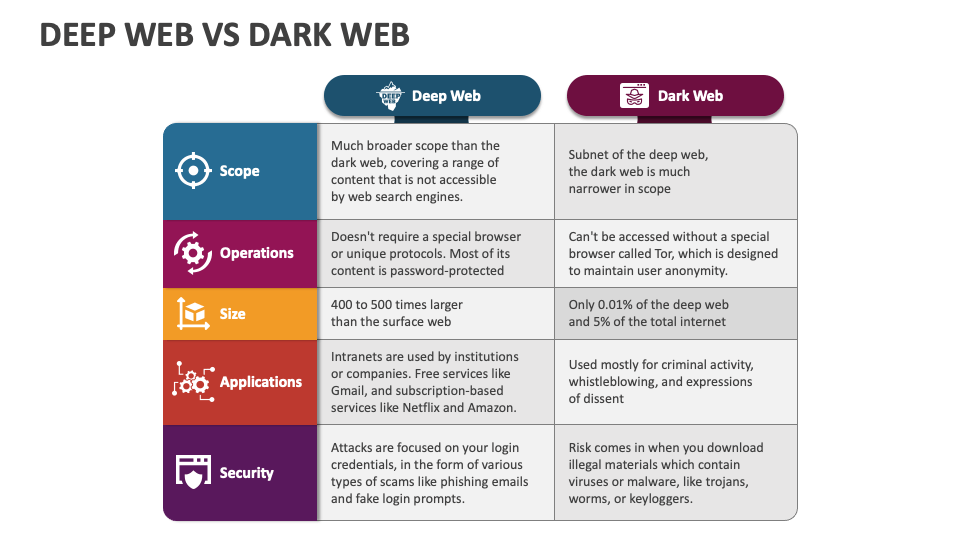
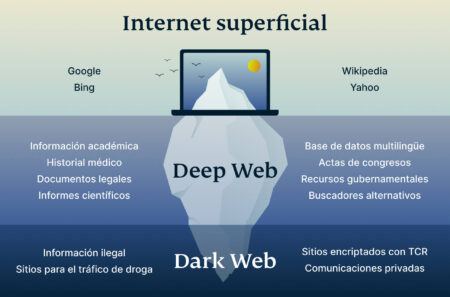
The deep web is approximately 400 to 500 times greater than the surface web. The dark web is only a small fraction of the deep web—constituting only 0.01% of it and 5% of the total internet. Despite its depths, not all of the deep web poses a threat; indeed, much of it enhances global knowledge and educates individuals participating in specialized fields.
Now, Let’s Understand The Difference Between The Deep Web And Dark Web
The “deep” web then, is all of the stuff connected to the internet but hidden away behind some form of security. The internet is the network infrastructure we use to communicate globally. You can also include Internet Protocol as a defining feature of the internet. It’s the language of the internet and describes exactly how information is encoded and routed over the internet. Keep reading to discover the differences between the deep web and dark web and what they mean for your online safety. Reports suggest that the deep web comprises about 90% to 95% of the entire internet while the dark web accounts for 0.01% to 5% of it.
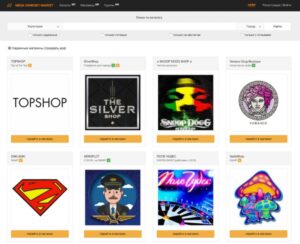
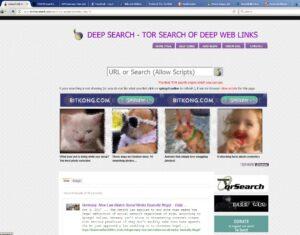
Examples Of Dark Web Resources
To most people, it seems like Google is simply the homepage of the World Wide Web, and that their search functionality is an attribute of the Internet itself. Of course, we know this isn’t true, and the surface web only comprises just a small percentage of the entire internet. Most of the internet is divided up into restricted pockets known as the deep web. Specialized tools exist for deep web searching within specific contexts, but comprehensive indexing remains technologically unfeasible. Understanding the distinctions between the dark web and the deep web environments is essential for developing effective cybersecurity strategies. The dark web deep web difference is primarily in their accessibility methods and intended purposes.
Transport Layer

However, the dark web is notorious for hosting illegal activities, such as drug trafficking, weapons sales, counterfeit money, and various forms of illegal pornography. On the other hand, the deep web refers to the vast portion of the internet that is not indexed by search engines. This includes confidential databases, academic journals, private social media content, and other information that is not easily accessible to the public.
What Is Darknet?
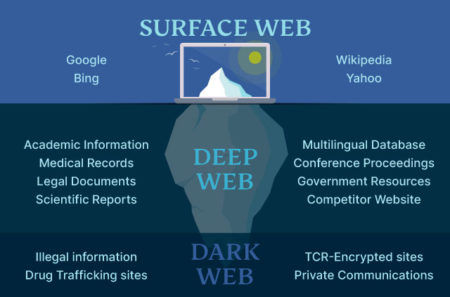
This lack of indexing of its content makes these layers of the internet less easily accessible and harder to navigate than the Surface Web. Hence, the deep web encompasses the dark web which constitutes a relatively smaller section entirely hidden and requires software specialized as Tor to access. The deep web is the internet portion that cannot be indexed by web search engines, such as Google or Bing.
Organizations that monitor dark web activities can detect credential exposure and potential threats before they materialize into breaches. Properly securing deep web resources also prevents unauthorized access to sensitive information. The Deep Web’s design prioritizes privacy, inherently limiting accessibility.
Darknet Communications In 2025 – From IRC Forums To Telegram Crime Networks
The deep and dark web are often misunderstood, but understanding each term’s meaning makes it easier to recognize their differences. These parts of the unindexed internet serve very different purposes. The deep and dark web is a treasure-trove of information on threat actor activity, however making use of this resource to protect your organization can be (to the uninitiated), challenging. The deep web is essentially the unindexed portion of the web that search engines cannot access. The dark web is the hidden part of the internet that can only be accessed via specific tools like Tor (The Onion Router) or I2P (Invisible Internet Project).
When using Tor or other browsers to access the deep web and dark web, ensure you have strong security software in place to protect against potential threats. Look for reputable VPN services and consider using additional privacy tools like encrypted messaging apps. Users of the dark web may unknowingly or knowingly engage in these illegal activities, which can have serious legal implications. Accessing and participating in these activities can result in criminal charges, fines, and even imprisonment.
Some downloads contain malware for the fraudsters to hack the unsuspecting user later. Law enforcement agencies don’t pay much attention to the Gray Web, so users don’t feel the need to be anonymous. Deep Web sites include private databases, restricted content, and other sources of in-depth information about companies and their operations. This makes these sites valuable sources of information if the content is accessible. However, the access restrictions on the Deep Web can make this information more complex and difficult to access. Using dark web browsers like Tor is legal in most countries, but accessing illegal content or services remains unlawful regardless of the technology used.
Key Differences Between The Deep Web And The Dark Web
However, threats can often originate in the deep web before escalating to the dark web. Falling for these scams can result in financial loss, identity theft, and even physical harm. Engaging with fake hitman services may expose individuals to dangerous criminals, while falling for phishing scams can lead to identity theft and financial ruin. Sooner or later, some of your data will spill over to collections available for sale on the dark web.

These terms are often confused or misused, but they describe very different layers of the Internet. You’re only scratching the surface when you use the Internet for daily activities—reading news, managing finances, running businesses. Search engines like Google, Bing, and Yahoo can access just about 4% of the web. For those needing an additional layer of privacy, the Dark Web provides more anonymity.
However, it’s also notorious for hosting illegal activities, including illicit marketplaces and hacker forums. Like the deep web, the dark web is used for positive as well as nefarious purposes. On the positive side, dissidents, journalists, whistleblowers and advocates for freedom of speech are able to express themselves on the dark web with less risk of exposing their real-world identity. Founded in 2011 and shut down by the FBI in 2013, the Silk Road was a black market for all kinds of illegal activity. Due to encryption and other privacy features, catching criminals on the dark web is difficult, and often requires agencies such as the FBI going into deep cover to try and surface criminal activity. The surface web is the most popular and accessible part of the Internet, involving all websites indexed through traditional search engines like Google and Bing.