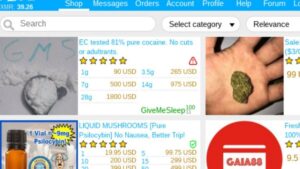
While the dark web offers the benefits of privacy and anonymity, that benefit comes with a trade-off. This side of the internet is somewhat lawless, offering up a hotbed of criminal activity. Unfortunately, even with the anonymity provided, it is still possible to fall victim to scammers, hackers or criminals while you are browsing. So, you’ve made it onto the dark web…but what can you actually do on there?
- This essentially means that over 93% of Tor daily users use the dark web for legitimate reasons.
- DefCon, ProPublica, the CIA, various libraries, and open-source software providers also feature in this area of the internet.
- Still, if security is important to you, we strongly recommend reading through the Tor Project’s official advice on using Tor and VPNs together(new window).
- With many Tor-based sites being overtaken by police authorities across the globe, there is a clear danger of becoming government target for simply visiting a dark website.
- The dark web is the hidden part of the internet that you can’t access through normal browsers or search engines.
Circumvent Government Censorship
According to Recorded Future research1, out of 55,000 onion domains discovered, only 8,400 have a live site. Tor, I2P, and Freenet are three common technologies that make up the dark web. For example, your Geekflare.com—your trusted business resource for growth exists on the surface web. To reach Geekflare.com, you can either type its URL in your standard web browser or search for Geekflare in your favorite search engine.
- For organizations responsible for public safety, national security, and financial oversight, the dark web is a critical source of open-source intelligence (OSINT).
- These marketplaces provide an alternative platform for individuals to purchase and sell legal goods and services anonymously and securely.
- For those working in security, this part of the internet offers insights into criminal activity and emerging trends, such as new types of malware or methods of stealing personal data.
- The hidden web (also known as the deep web or deep net) is the largest part of the internet.
- To access the dark web, you need special tools that can vary depending on which dark web you want to use.
- For example, as of today, the URL for the most popular forum on the dark web, Dread, is dreadytofatroptsdj6io7l3xptbet6onoyno2yv7jicoxknyazubrad.onion.
Cybersecurity Challenges Of The Dark Web

To protect yourself from these threats, it’s important to be vigilant when browsing the dark web and engaging with other users. This includes being cautious when clicking on links, especially those that seem too good to be true, and verifying the trustworthiness of sellers on underground marketplaces before making a purchase. If you’re browsing a site with a “.onion” domain, you are on a hidden network. These addresses are designed for the Tor browser, the most common tool for accessing it. Regular browsers like Chrome or Firefox cannot reach these sites, so you’ll need a specialized browser — and it’s impossible to access them by accident. The dark web — aka, the deep web — is the second layer of the internet, which is not indexed by search engines.
Some of these are well-known, established threats that circulate in this nook of the web. However, others may be taking advantage of the dark web’s reputation to trick users out of large sums of money. Also, some users on the dark web may attempt phishing scams to steal your identity or personal information for extortion. On the software end, the use of Tor and other anonymized browsers is not strictly illegal. In fact, these supposed “dark web” browsers are not tethered exclusively to this portion of the internet.
Is The Dark Web Safe To Use?
Dark web, websites not indexed by search engines and theoretically possible to visit with complete anonymity. For additional protection, enterprises should monitor the dark web to identify indicators of dark web compromise, such as database dumps or the posting of personal or financial information. Regular monitoring can provide early alerts of possible threats, which can facilitate prompt responses to mitigate the potential effects. Organizations can also consider dark web monitoring services that search through data available on the dark web for anything related to their specific company or employees.
Risks And Dangers Of The Dark Web
A VPN creates a secure connection between your computer and the internet, encrypting your data and hiding your IP address, making it difficult for anyone to track your online activity. This added layer of protection is especially important when accessing the dark web, as the platform’s anonymity can make it a prime target for cybercriminals looking to exploit vulnerabilities in users’ systems. The dark web provides encrypted email services, chat platforms, and other tools for secure communication and collaboration, allowing users to communicate without worrying about surveillance or censorship. Law enforcement agencies and cyber threat intelligence specialists also use the dark web. The deep web refers to any web content that is not indexed or pages that can’t be found with a search engine. Examples of the deep web include any websites that are behind a paywall or require login credentials.
Accounting Fraud: How To Spot Red Flags And Protect Your Business
With the creation of Tor, users could now browse the internet completely anonymously and explore sites deemed part of the “dark web.” With the rise and fall of the Silk Road—and then its rise again and fall again—the last couple of years have cast new light on the Dark Web. But when a news organization as reputable as 60 Minutes describes the Dark Web as “a vast, secret, cyber underworld” that accounts for “90 percent of the Internet,” it’s time for a refresher.
Start Your Protection,
It is important to differentiate between the tool (Tor) and the actions performed using that tool. Learn more about our various degree and certification programs today by requesting more information. Millions of regular internet users access private databases such as email inboxes and credit card accounts daily. These pages are not indexed by search engines and are protected behind security walls, authentication forms, and passwords on the deep web.
Cryptocurrency And Anonymity
Both are hidden from search engines, but they vary in purpose, accessibility, and legality. In fact, it can serve legitimate purposes, such as protecting privacy or allowing free speech in countries with censorship. You might have heard about the Dark Web in news stories involving hackers, drugs, or illegal activity. While the Dark Web is a haven for cybercriminals, it’s also used for legitimate reasons—whistleblowers, journalists in oppressive regimes, and privacy advocates rely on it to communicate safely.
How Do You Access The Dark Web?
Several tools monitor the dark web for stolen information to help individuals and businesses detect if their data has been compromised. Have I Been Pwned is a free service where users can check if their email address or phone number was exposed in a known data breach. The dark web is a primary destination for stolen personal data from large-scale data breaches.

Cyber criminals purchase this information for use in identity theft, financial fraud, and phishing attacks. Instead, it encompasses all content on the internet that is not indexed by traditional search engines, making it inaccessible through simple search queries. This includes private databases such as academic journals’ archives, government records, healthcare portals, and even personal email accounts. Looking ahead, it is likely that law enforcement efforts to combat illegal activities on the dark web will continue to evolve in response to emerging threats and technological advancements. This may involve greater collaboration between international law enforcement agencies, increased use of advanced surveillance technologies, and enhanced regulation of cryptocurrency transactions.
This helps maintain your anonymity and allows you to visit websites with a ‘.onion’ address – domains that only work on the Tor network. Unlike normal websites, many Dark Web sites do not track users or collect personal information, making it appealing to those concerned about online privacy. Journalists and activists often use it to share information securely, especially in countries with strict censorship or surveillance. Unlike the regular internet, which is open and easy to explore, the Dark Web is designed to offer anonymity to both users and website operators. While the dark web is not illegal, mainstream awareness of the darknet is tied to the rise of the Silk Road, an online black market founded in 2011 by Ross Ulbricht.