Beyond neurological and psychiatric applications, PEA has also garnered attention in the realm of athletic performance and body composition. Some athletes and fitness enthusiasts use PEA supplements in hopes of enhancing focus, motivation, and energy during workouts. Additionally, PEA’s potential effects on metabolism and appetite have led to interest in its use for weight management, although more research is needed to fully understand its efficacy in this context. Parkinson’s disease, a condition characterized by dopamine deficiency in certain brain regions, is another area where PEA’s dopamine-boosting effects may hold therapeutic potential. Some researchers have investigated whether PEA supplementation could help alleviate some of the motor and non-motor symptoms of Parkinson’s, although this remains an area of ongoing study. It’s worth noting that while PEA’s effects on dopamine are potent, they are typically short-lived due to the rapid metabolism of PEA by enzymes in the brain.
Trigeminal Nerve: The Brain’s Crucial Sensory Pathway
Open-chain, flexible alicyclic amine derivatives of this motif are enumerated in key therapeutic targets, listing medicinal chemistry hits and appealing screening compounds. Latest reports in discovering new bioactive 2-phenethylamines by research groups are covered too. However, some medical conditions and medications may interact with phenylethylamine HCL, such as blood pressure medication, heart conditions and psychosis disorders.
Monoamine Releasing Agent
They are not intended for human ingestion or for use in products that may be ingested. You must be at least 21 (twenty one) years of age to purchase goods on this website. The listing of a material on this website does not constitute a license to, or a recommendation for its use in infringement of any patent whatsoever.
16 Sigma Receptors
These patients should refrain from this supplement, unless a medical professional prescribes them. Phenylethylamine HCL is a stimulant that can cause harsh, unwanted side effects. For those looking to give their workouts an extra boost or get an extra edge on their weight loss efforts, PEA supplements can be a reliable option. The potential of PEA in improving mental health and cognitive performance is an exciting frontier in neuroscience research.
Phenylethylamine And Chocolate
Activation of TAAR1 receptors inhibit the uptake and induces the release of dopamine, norepinephrine, and serotonin. Phenylethylamine (PEA) is naturally metabolized by monoamine oxidase-B (MAO-B). But as we get older, MAO-B levels rise and suppress healthy levels of PEA. High levels in the body can also cause too much serotonin to accumulate in the brain, which has a number of negative effects. While more research is needed on the topic, long-term high exposure to this molecule may be a neurological risk factor for pathological consequences, since this can interfere with normal cognitive function.

Where Healthy People Hang
Using enzyme-linked immunosorbent assay (ELISA) and Western immunoblotting, we also determined the DA concentration and the DA-related protein levels in the dorsal striatum of mice administered with acute β-PEA. The results showed that acute β-PEA increased stereotypic behaviors such as circling and head-twitching responses in mice. In the self-administration test, β-PEA significantly enhanced self-administration during a 2 h session under fixed ratio (FR) schedules (FR1 and FR3) and produced a higher breakpoint during a 6 h session under progressive ratio schedules of reinforcement in rats.
8 Blockade Of DAD1R Significantly Decreased Β-PEA-Taking Behavior
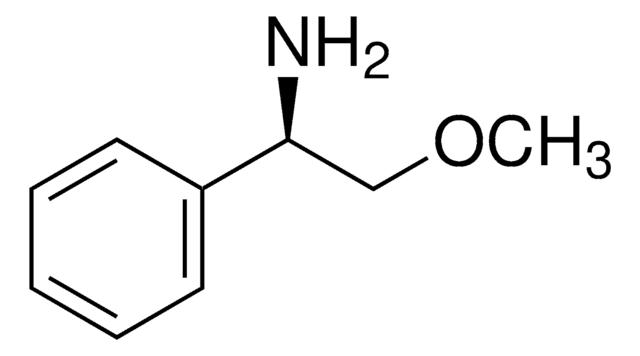
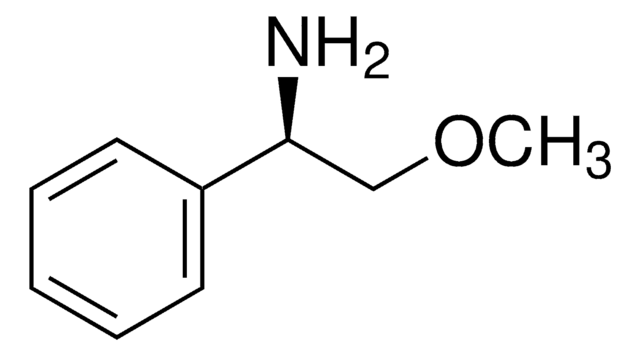
Nevertheless, PEA (1)-caffeine combinations require investigation in documented scientific studies. Animals trained to a specific drug will respond on the “vehicle appropriate” lever if a combination of the training drug and the antagonist result in stimulus antagonism. The simplest phenylethylamine, phenylethylamine (1) itself, also known as 2-phenylethylamine, 2-phenylaminoethane, phenethylamine, β-phenylethylamine, or simply PEA.
Natural Nootropics
The amount of phenylethylamine that you take depends on how you consume it, the specific results you are seeking and whether you are pairing the supplement with other chemicals. Each dosage and form has a different effect on the body, so it’s vital to understand how PEA works in the body prior to starting a supplement regimen. Phenylethylamine HCL has a range of benefits in its natural form and as a supplement. For instance, it may improve focus, relieve depression, lessen ADHD symptoms and even help with weight loss. As we look to the future, the field of PEA research continues to expand.
This means that PEA stimulates the release of dopamine, norepinephrine, and serotonin in the brain. But unlike stimulant drugs like amphetamine, which release a flood of these neurotransmitters in an uncontrolled manner. Phenylethylamine (PEA, 2-phenylethylamine, beta phenylethylamine / β-phenylethylamine, phenethylamine) is a trace amino acid. Your brain naturally converts L-Phenylalanine into Phenylethylamine (PEA).
Has Antimicrobial Effects
- Scientists are exploring novel delivery methods to enhance PEA’s bioavailability and prolong its effects in the body.
- It is well known that the increase in frequency of 50-kHz USV calls indicates a positive mood state, which is also closely related to stimulation of dopaminergic neurotransmission in the reward system 51.
- Because MDA and both its optical isomers substituted in MDMA-trained rats,53 it seemed that aryl substituents, rather than the N-methyl group, were dictating the stimulus action of these agents.
- Part of the overarching “racetam” family, it provides a fair-to-middling brain boost and improves performance on some mental tasks by enhancing “cellular membrane fluidity.” You won’t get the stimulating or mood altering effects that Phenylethylamine offers, though.
- These effects are likely mediated by DAD1R in the dorsal striatum of rodents.
Phenylethylamine (PEA) suggested dosage for cognitive benefit is 500 mg up to 3-times per day. In fact, some suggest that a PEA deficit may be the cause of depression in the first place. One study had 14 patients with major depression take up to 60 mg per day of Phenylethylamine (PEA) along with 10 mg of selegiline (L-Deprenyl) for up to 50 weeks. In this review we investigate how phenylethylamine (PEA) works in the human brain. Phenylethylamines are a group of phenethylamine derivatives which contain PEA as a backbone.
Remember to speak with a doctor before taking phenethylamine supplements, which should never be used as a replacement for approved medical therapies. Certain naturopaths are starting to prescribe PEA in lieu of stimulants such as amphetamines and the methylphenidate for treating ADHD. PEA is a receptor for C-proteins, TAAR1 and TAAR2 which are receptors that are reserved to traceamine use. The receptors mentioned above are not utilized by other neurotransmitters of major importance, such as norepinephrine or dopamine.
We found that both a (+)amphetamine stimulus and an MDA stimulus generalized to MDMA.48 Clearly, MDMA, though neither a simple hallucinogen nor a simple central stimulant, seemed to possess some amphetamine-like qualities. Over the years, there have been many attempts to develop animal models of hallucinogenic drug action. Described below is a procedure we have found useful for our studies, but it is not an animal model of hallucinogenic drug action; rather, it is a model of stimulus similarity.