The dark web, however, is a very concealed portion of the deep web that few will ever interact with or even see. In other words, the deep web covers everything under the surface that’s still accessible with the right software, including the dark web. The deep web rests below the surface and accounts for approximately 90% of all websites. This would be the part of an iceberg beneath the water, much larger than the surface web.
How To Access The Dark Web Safely And Anonymously
In this guide, we’ll explain what the dark web is, how to access it safely, and why using a VPN (Virtual Private Network) with Tor is essential for anonymity. To help find functioning .onion URLs, look to dark web directories and forums — Reddit users recommend tor.taxi, tor.watch, daunt.link, or one of the Hidden Wikis. Install Norton 360 Deluxe to help secure your device, block scams, and stay private online.
Is The Dark Web 99% Of The Internet?
While there are numerous VPN services that work well with Tor, I’ve found that NordVPN offers the best protection and compatibility, and keeps your personal information safe. This ensures that your real IP address is hidden from the first Tor relay (it sees the IP address that your VPN provider supplies). Then the Tor anonymity network relays further obfuscate your true location, as the browser relays your browser traffic through several relay locations. Since each node server in the Tor network is volunteer-operated, you never know who operates the relays that your data is traveling through. While this isn’t an issue for most of the trip (since each relay only has access to the previous and next relays in the network), it is an issue with the exit node. Because of the relaying of data through the onion nodes, and the encrypting and decrypting taking place at each node, your internet connection will slow considerably.
What Are The Best Privacy Tools For The Dark Web?
- Once you upload something, it stays there indefinitely even if you stop using Freenet, so long as it is popular.
- Since Google and surface-level search engines don’t work in the dark web world, users often opt for these search engines that enhance their experience and accessibility on the platform.
- If you don’t use the right tools or settings, your ISP can still flag your connection.
- The US Supreme Court has indicated that even casual browsing could lead to legal consequences.
- While Bitcoin may arguably be the most popular cryptocurrency, it is not completely anonymous.
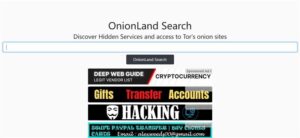
Tor Browser masks your IP address and routes traffic through multiple servers. With all of that in mind, you need to tread carefully when browsing, in terms of the sites you visit and the other users you interact with. Bear in mind too that laws about freedom of speech and censorship vary from country to country, which is part of the reason the dark web exists in the first place. Open up Tor, and you won’t suddenly see the dark web staring back at you. Not only do you need a dark web browser, you need a dark web search engine too. This search engine will get you to the sites you need, though you can also go directly to dark web addresses if you know what they are, as with standard URLs.
Using a legal browser will not make your actions fall to the right side of the law. The dark web was once the province of hackers, law enforcement officers, and cybercriminals. However, new technology like encryption and the anonymization browser software, Tor, now makes it possible for anyone to dive dark if they’re interested.
Exit Node Vulnerabilities
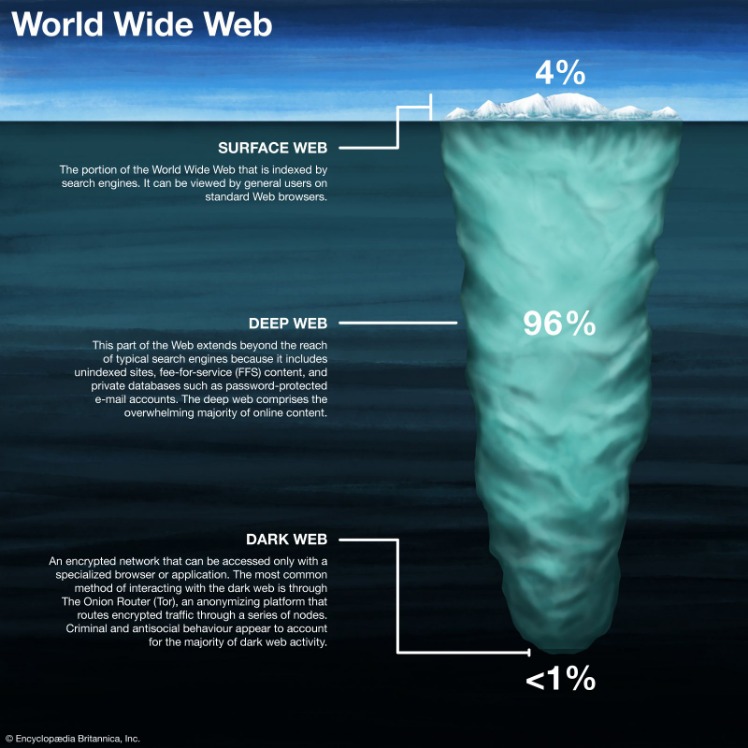
Tor network is the perfect example of this, and today, we are going to talk about it, and also about its .onion domains. The sender transmits their bitcoin code via a ledger called âblock chainâ to the recipient. Though Bitcoin is not perfectly anonymous, with proper use, it can facilitate online transactions anonymously without revealing the identity of the parties. Bitcoin is widely employed in Dark Web transactions because of its anonymity and also because banks and governments do not control it. The Deep Web or Hidden Web is that part of the World Wide Web that cannot be indexed by traditional search engines such as Google, Yahoo, or Bing. Dark web marketplaces are websites where you can exchange illicit goods and services like stolen credit cards, account login credentials, counterfeit items, drugs, and other items.
How To Access The Dark Web Safely: Step-By-Step
Use a separate wallet for dark web transactions to further protect your funds. Avoid using the same password across multiple sites since it increases your vulnerability if one account is compromised. You can also use a password manager to generate and store complex passwords with ease. The dark web can be intriguing, but given its nature, you must stay vigilant and aware of the potential threats.
Navigating Dark Web Directories Safely
Always exercise extreme caution when using publicly posted onion URLs. If you can’t get a personal recommendation from someone you trust, verify the URL from multiple sources. When using a VPN for the dark web, your ISP will not be able to see that you are connected to a Tor node, only an encrypted tunnel to a VPN server. As long as users take the necessary precautions, no one knows who anyone else is in the real world. Users’ identities are safe from the prying eyes of governments and corporations.
Your Guide To Accessing The Dark Web On Your Phone
The subreddit r/deepweb is a good starting point for asking more experienced users about how to search the dark web and deep web for the content you want. Lastly, The Hidden Wiki is a collection of dark web links — but the links may not work and can lead to dangerous websites. Using a VPN (Virtual Private Network) in tandem with the Tor browser ensures an added layer of security by encrypting your traffic before it reaches the Tor network. Like NordVPN, this provider doesn’t store logs and has around 20 third-party audits to prove it. Its RAM servers and Private DNS go a step further to protect your identity online. Not to mention its Advanced Protection that blocks malicious sites, trackers, and ads.
- Many sites on the Dark Web engage in illegal activities, such as drug trafficking and financial fraud.
- These platforms are often encrypted and anonymous to protect users’ identities.
- Put simply, the deep web is all the information stored online that isn’t indexed by search engines.
- Your traffic is relayed and encrypted three times as it passes over the Tor network.
- For beginners, this guide sets the foundation, and for further exploration, check out our Top Darknet Markets to dive deeper into this ecosystem.
- Unfortunately, some oppressive regimes have figured out a way to block Tor traffic.
Bad actors can compromise nodes, with exit nodes being of particular concern. There are numerous phishing sites, too, as explained earlier, designed to fool users into giving up their personal data. The victim types in their information, thinking they’re accessing a site that they know and trust, but they’re actually giving away their data. There are a lot of these sites across the dark web, which is why you have to be extra careful. The easiest way to avoid falling victim to them is to simply not provide any personal data when browsing the dark web.
This setting forces all website connections to use the secure HTTPS protocol rather than HTTP, an insecure version that leaves you vulnerable to eavesdropping. To maximize security, you should avoid logging into personal accounts, such as Facebook and Gmail, via Tor. Although the Tor Browser is designed with strict privacy, logging into personal accounts can expose your real identity. By default, Tor has stricter privacy settings than most standard web browsers.
A VPN can help disguise your use of Tor and your visits to dark web resources. DefCon, ProPublica, the CIA, various libraries, and open-source software providers also feature in this area of the internet. A VPN and Tor should be used together and it is advisable to connect via a VPN to Tor, rather than vice versa, for the best protection possible.
Its key features include kernel hardening, application firewall, package security, filesystem encryption, meta-proxy encryption, and binary integrity. Furthermore, it’s critical to understand that Whonix is not a stand-alone browser. It is a component of Whonix, an operating system that functions as a whole inside a virtual computer.