Tor Over VPN servers are identified with an onion symbol and found in the country list. A VPN (Virtual Private Network) helps you protect your online identity by encrypting your internet traffic and hiding your IP address. This type of security layer is extremely important, especially in order to hide your location and real identity during access to the Dark Web.
The company enforces a strict no-logs policy and is based in Switzerland, which has some of the world’s strongest privacy laws. In such cases, it is of great importance that you activate your firewall and keep your antivirus programs up to date. At the same time, you should be careful about files and links from unfamiliar sources and not take unnecessary risks. Many users make some basic mistakes, which increases the risks of being tracked.
The dark web is legal in most countries, provided you do not engage in illegal activities. However, in countries with strict censorship laws — such as China, the UAE, and Pakistan — accessing the dark web is considered a crime. In Russia and India, authorities closely monitor dark web traffic. In an attempt to stop criminal organizations operating on the dark web, authorities are setting up fake websites to track possible criminal activity. By doing this, they get access to whoever is visiting the sites — including you if you accidentally end up there. In some parts of the world, simply using a browser like Tor can get you flagged by these agencies, even if you don’t partake in illegal activity.
Step 1: Download I2P

We already went through VPNs, anonymizing web browsers, and disposable operating systems, so I won’t bother reminding you about those. Advocacy groups are also reaping the advantages of the darknet because, here, the term of censorship is as popular as HTTPS. As I’ve mentioned, the dark web isn’t just a place of eternal torment, teeming with drug dealers, human traffickers, and a hitman. It’s also used by journalists, advocacy group members, and political refugees in hiding. Reuters, Fox, NBC, CNN – all of them keep open dark web channels to receive anonymous tips from whistleblowers.
Afterwards, your request will be matched with the appropriate website. Tricky, but effective; that’s why it’s, by far, the best method to access dark web content. The deep web is just the part of the internet you can’t find with a search engine. It’s not mysterious or spooky; it’s home to everyday things like scientific research, medical records, private financial information, and secure communications. Merely downloading, installing and using the Tor Browser is not illegal.
While the Tor Browser hides your online browsing, it only hides your online activity through the Tor Browser. All of your other online activities remain open to observation. If you need to protect or enhance your streaming, gaming, or torrenting activities, a Virtual Private Network (VPN) is a much better option as a secure connection to the net. As I mentioned previously, using the Tor Browser will slow down your browsing.
- No, the dark web isn’t illegal, but what you do while in the underbelly of the internet matters.
- My dedication to continuous learning fuels my passion for delving into the complexities of the cyber world.
- The deep web refers to anything that search engines can’t crawl.1 These pages aren’t public — not because they’re illegal, but because they require a login or special access.
- That means Javascript is disabled, extensions are disabled, and the browser is configured to warn you if an attempt is made to download a file and open it in another application.
- You don’t need special tools or a dark net browser to access most of the deep web; you just need to know where to look.
- The first command is to update the package database with the most recent changes.The second command is to install the Tor service and Tor Browser Launcher including signature verification.
HTTPS-only

Keep in mind that in some regions like China and Russia, it’s illegal to use anonymizers. If you’re in a restrictive country, you’ll be crossing the red line and authorities could be at your heels. The silver lining is that no one has been arrested or prosecuted for using an anonymizing browser. Volunteers worldwide operate the proxy servers (or Tor nodes).

How To Access The Dark Web On Your Device
HTTPS used to be rare, but now it’s so standard that browsers will warn you whenever a website doesn’t use it. This proxy is also a potential candidate for accessing the Tor network, although we should point out that it is relatively unstable. As such, you should use it with caution, and probably only as the last resort. You can still access the Tor network through it, but it is not very safe.
Dark Web Links: The Best Onion And Tor Sites In 2025
You might also consider using virtual machines (VMs) for an added layer of security. Tools like VirtualBox or VMware let you isolate your activity in a virtual OS. That way, even if something goes wrong, your main machine stays untouched. Countries differ in how aggressively they monitor Dark Web activity.
Best Practices For Accessing The Dark Web
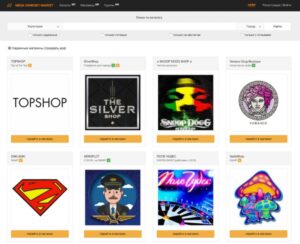
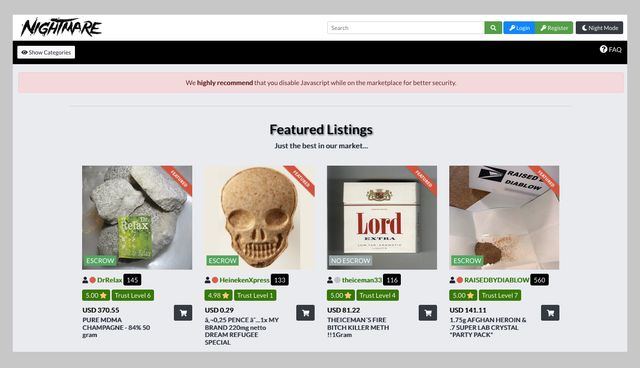
And though some dark web marketplaces offer user reviews, not all do. Lack of regulation by authorities or other users makes it easy for cybercriminals to carry out scams. It’s possible to buy and sell illegal drugs, malware, and prohibited content in darknet marketplaces.
Finding Onion Sites
Websites have IP addresses tied to the servers that host them. Every time you finish a session on the dark web, run a malware scan of your entire system using a well-reviewed antivirus software. Some antiviruses also include a “sandbox” feature, where you can quarantine files downloaded from Tor until you’re sure they can be opened safely. These sites and the entire Tor network are also accessible through special proxies that can connect to this network.
These sites are only accessible over the Tor network and are commonly used for privacy and anonymity. The Tor Browser also features many built-in protections that protect against tracking and fingerprinting. Ensuring a secure connection is crucial when browsing the deep web — though Tor encrypts traffic natively, many dark web sites lack SSL certificates. Instead of relying solely on HTTPS, you can verify site authenticity through multiple trusted sources, such as official PGP signatures or well-known directories. However, if you’re planning to use it for illegal activities, there are significant risks involved.
- Dark web domains tend to be inconsistent — new ones pop up and others disappear, which makes sense if they offer questionable or illegal goods and services.
- Data can still be exposed if you log in to certain sites or download files over the network.
- Deep web content includes anything behind a paywall or requires sign-in credentials.
- These platforms are home to both legal and illegal activities.
Initially designed for secure military communications, it evolved into a broader tool for online anonymity, later expanding to public use with the Tor network. Another challenge of finding dark web sites is that they don’t often last long. Many sites become defunct quickly, either because they are shut down due to illegal activity, their founders lose interest, or they change addresses and names to avoid detection. Unlike the publicly accessible surface web, the deep web includes sites requiring login credentials but is still accessible via traditional browsers. The dark web is a small, hidden subset of the deep web that requires special tools to access.
This blog offers a complete guide on how to access the Dark Web using the Tor Browser, along with step-by-step instructions, security tips, legal warnings, and real-world examples. If you want to improve your security further, you could also use a VPN at the same time as Tor. For the most security-conscious, you can even install the Tails operating system on a flash drive and run Tor from that. For added security, use a separate device or virtual machine (VM) when accessing the dark web.
Although websites can’t identify you and ISPs can’t decrypt your internet traffic, they can see that Tor is being used. Tor is a network of volunteer relays through which the user’s internet connection is routed. The connection is encrypted, and all the traffic bounces between relays worldwide, making the user anonymous.