While exploring the dark web can offer valuable privacy benefits, it’s crucial to understand common risks and how to manage them effectively. Install Norton VPN to encrypt your internet connection and help protect the personal data you send and receive online. His articles have appeared in many respected technology publications. However, most are outdated and have not kept up with the changing landscape. For example, DuckDuckGo is the most popular but often shows repetitive results and is sometimes unrelated to the question. A top-of-the-line VPN network that ensures maximum security while accessing dark sites online.
Use cryptocurrency to buy anything, and use a disposable email address for any type of communication on the dark web. Keep in mind what you’re looking for, find that information, and disconnect from the dark web. As enticing as it might be, don’t follow links to other parts of the dark web. Unfortunately, it’s also a place where the bad guys can offer their services – for example, hackers or hitmen.
Dark Web Search Engines: How To Search The Dark Web Safely
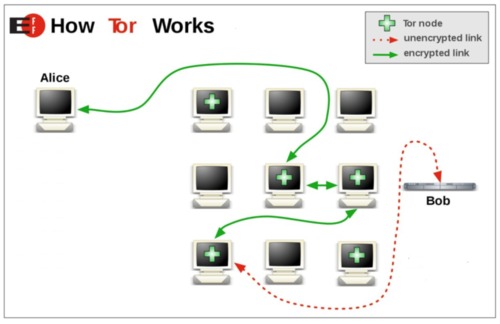
Bear in mind too, that your internet provider will be able to see you connecting to Tor nodes, even if it doesn’t know exactly what you’re doing. Many people install a VPN as well, but then you’re putting your trust in an additional third party to not track your activities or report them to anyone else. Tor is like the public-facing door to the dark web, and there are even mobile apps for Android and iOS.
FAQs About Haystak Search Engine And Dark Web Exploration

It works by sending internet traffic through volunteer-operated nodes all over the world. This network of over 6,000 relays hides your location, thus protecting you from online surveillance and third-party tracking by your websites. Onion links have no regular domain names registered under the domain name registry. Instead, they are designed using a cryptographic key and can be accessed only through software like the Tor browser.
🛒 Kilos – A Marketplace-Oriented Search Tool (Use With Caution)
This would enhance safety for beginners, though maintaining anonymity in rating systems remains a technical hurdle. Torch’s launch around 2010 marked the first true dark web search engine, indexing millions of .onion pages with a keyword-based system. Torch’s massive, unfiltered index enabled broad exploration, but its spam-heavy results and lack of safety measures reflected the dark web’s Wild West ethos. Maintained by anonymous volunteers, Torlinks prioritizes secure, modern .onion addresses and updates its database monthly to weed out dead links. While it lacks keyword search, its clean design and focus on trusted sites make it a reliable starting point for beginners and pros.
What Are The Unique Features Of Haystak?
Among the many dark web search engines, Kilos stands out for its unique focus. Unlike general tools such as Ahmia or Torch, Kilos was built with marketplaces in mind. In 2025, it remains one of the most popular engines for users seeking to search specifically for vendors, products, and services on onion sites. DuckDuckGo is a well-known search engine that prioritizes user privacy, making it a popular choice for dark web browsing. It doesn’t track your online activity or personal data, offering a secure, private experience. Central to navigating this hidden internet are “.onion” sites, unique websites that end in .onion instead of .com or .org.
Safety Tips For Using The Dark Web
- The provider also offers a dedicated CyberSec suite that prevents annoying ads and blocks malware and trackers.
- Haystak also offers a premium version that allows advanced search, access to historical content, and email alerts.
- Tor Browser prevents someone watching your connection from knowing what websites you visit.
- Many search engines now incorporate features like encrypted connections and advanced filtering options.
- It’s technically not a dark web search engine but is still a useful tool to navigate the dark web and find sites more easily based on categories.
While these platforms should never be used casually or without proper precautions, they offer unique visibility into potential threats that may otherwise go unnoticed. The dark web is a part of the internet that isn’t indexed by traditional search engines like Google—you can’t find it through standard browsing. It’s accessed using specialized software called Tor (The Onion Router), which anonymizes users and hides their locations. While many people use the dark web for legitimate reasons like privacy (such as journalists or activists in oppressive regimes), it’s also known for illegal activities.
Types Of Dark Web Sites (and What Really Goes On There)

While an iOS version of the official Tor browser is not available, there are Tor-compatible browsers available in the App Store. So, once you’ve activated your VPN and your privacy is secured, it’s time to visit Tor’s official download page. There are a number of services and tools available on the dark web, many of which can be used for nefarious purposes.
Using a virtual private network (VPN) masks your real IP by routing your internet traffic through a secure server, making it appear as though you’re browsing from a different location. A VPN also encrypts your connection, keeping your data safe from surveillance and unauthorized access. Whether you’re looking for stronger privacy, a simple interface, or a tool designed specifically for hidden services, there’s likely an option that fits your needs. Think about what matters most for your browsing and security, and make informed choices to navigate the dark web safely. While they make accessing Tor-hidden websites easier without the Tor browser, they can compromise your privacy and security by acting as intermediaries that might expose your data. Using the Tor Browser with a VPN is a safer and more secure option, as it provides end-to-end encryption and better privacy protection.
The dark web, which is what I’m discussing here, is a small subset of the deep web, and refers to websites that are specifically trying to stay out of sight. Now equipped with an overview of these essential dark web search engines, you’re ready to conduct your own searches confidently and securely. Regular search engines like Google use “crawlers” to index their pages, following links from known web addresses to index other linked pages. The dark web also uses a different protocol that a regular browser doesn’t follow. Finally, Google may not want content that appears on the dark web showing up in its search results.
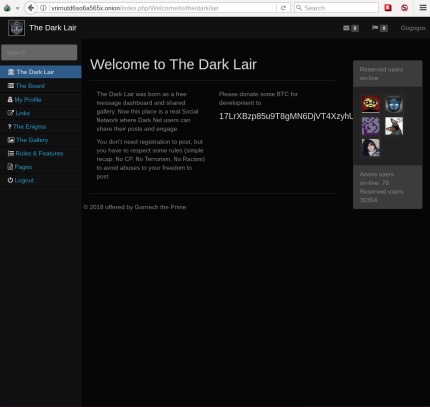
Its smaller index (~5,000 sites) is a deliberate choice, focusing on quality and active .onion sites rather than casting a wide net like Torch. DeepSearch’s lightweight design ensures fast performance on Tor, and its open-source codebase fosters trust through community audits. However, one link led to a marketplace with questionable login prompts, forcing me to backtrack and verify via Torlinks.
Offering books for free, shadow libraries face the morality question of copyright vs. access to information and knowledge. Just Another Library is one such service, with a wealth of books covering computer programming, science, and niche hobbies (sailors’ knots, anyone?). It also offers works of art, course material, and audiobooks for download. Based in Switzerland, ProtonMail is an encrypted email service that is very popular with cryptocurrency enthusiasts. Wasabi Wallet is a Bitcoin wallet that not only hides all your data in the Tor network but also allows you to “join” your transactions with others to increase your anonymity. For engines like Torch, which return unfiltered results, preview site descriptions without clicking and consult community blacklists on r/onions.
Use categorized directories or reputable search engines to reduce the chance of clicking on spam or malicious links. Avoid sites that require JavaScript activation or make suspicious requests. Phishing is a common method used on dark web forums and sites to extract sensitive information. Users must avoid sharing their IP address or personal data on any dark websites. However, while it may help users find basic links organized by topic, it offers no actual search functionality or dynamic indexing. Users must manually scroll through categories, many of which include outdated or broken links.