Online pharmacy platforms are considered one of the better places to purchase personal care products, as they can be ordered anytime. Moreover, intimate products like condoms can be ordered through online platforms and would be delivered to the doorsteps of customers. The increasing awareness about the importance of the overall personal care regime and the emerging trends in fashion and social media influence towards aesthetically appealing looks is also anticipated to boost the demand for online pharmacies.

Online Pharmacy Drug Type Insights:
These studies tended to investigate specific harms that a medication or therapeutic category’s availability via IOPs presents to patient health. As a caveat, the comparison of drug-specific and overall IOP research depicts the year of publication, not the year of data collection. Due to the slower review process and publication speed of some journals, more studies related to IOPs offering COVID-19 treatments may be forthcoming. After a couple of seminal papers in 2006, no research on IOPs was published for the next few years. Then, a wave that was heavily focused on patient risk peaked in 2013, followed by additional interest in public policy and regulation (peaking 2015), public health and society (peaking 2015–2017) and marketing and supply chain (peaking 2017).
Online Pharmacy Latest Developments:
The distinction between online and offline pharmacies, the advantages and challenges faced by E-pharmacies, the driving forces that led to the growth of the E-pharmacy sector in India, and the various emerging Indian E-pharmacy companies are covered. A comprehensive review of the legal system under which the E-pharmacy industry operates is also briefed. The reader will also learn about the various initiatives implemented by the Government in support of the E-pharmacy sector in India. One major strategy employed by leading ePharmacy players is vertical integration of healthcare services. Companies are combining telemedicine, diagnostics, pharmacy, and insurance under a single digital umbrella to offer end-to-end health solutions.
Europol-coordinated Global Operation Takes Down Pro-Russian Cybercrime Network
The increasing prevalence of chronic diseases, alongside a growing aging population, contributes to the demand for efficient pharmaceutical services. One of the key growth factors in the online pharmacy market is the increasing penetration of the internet and smartphone usage globally. As more individuals gain access to online platforms, the ease of purchasing medications online becomes a significant draw.
Furthermore, an increase in the number of older people who find it difficult to go to the pharmacy every time and require medical assistance is also driving the market growth. Another factor behind wealthy and highly educated individuals’ presence in online marketplaces may relate their relative online savviness and resources needed to do online transactions. Users need a stable internet connection, and must download specific browsers and buy cryptocurrency to be able to purchase on the dark web (Norbutas, 2018; Norbutas et al., 2020). To be comfortable arranging online transactions on the dark web, one needs to be familiar with customer reviews and judge seller and product reliability through social ties and a centralized reputation scoring system (see Diekmann et al., 2014; Jardine, 2021). Thus, it is predicable that the relatively affluent are more likely to use online drug markets.
Online pharmacies often provide competitive pricing, discounts, and access to product reviews, enabling informed purchasing decisions. The discreet delivery of healthcare products also appeals to individuals seeking privacy for personal care needs. As per The Mobile Economy 2020, smartphone penetration was 65.0% in 2019 and is expected to reach 80.0% by 2025. The boom in the healthcare sector coupled with high operational costs has created the need to cut operational costs with the implementation of ePharmacy solutions. The increasing prevalence of chronic conditions is leading to a rise in the demand for various healthcare products, including drugs. This signifies the increasing penetration of online modes of drug procurement across the globe.
Instant script transmission eliminates handwriting errors and shortens fill times, encouraging older patients to adopt home delivery services. Online pharmacies gain prime visibility at the moment of care, displacing the historical advantage held by storefront counters. Health-system studies show lower primary-non-adherence rates once e-prescribing becomes compulsory, strengthening the growth outlook for the E-pharmacy market1U.S. This is mainly driven by the high internet penetration and increased awareness regarding online OTC drugs. Further, there is the active involvement of companies integrating their electronic health record (EHR) platforms with telehealth, which further boosts the market growth. The shortage of healthcare professionals in some regions is prompting the adoption of telehealth services.
- The consumer balance has slowly been tipping over to its mobile side for OTC and prescription purchases alike.
- Countries like China, India, and Japan are at the forefront of this growth, with government initiatives aimed at promoting digital healthcare solutions.
- Dunlap et al. (2012) show that although many drug users do not change their drug habits during economic crises, some edge cases do induce shifts in illicit drug markets.
- This was demonstrated by rise in teleconsultation use and e-pharmacy sales in India and other countries.
- For example, recent investigations have found that the synthetic psychedelic drug 2C-B has become more prevalent in rural areas of Scotland due to its availability on the dark web.
- The ePharmacy is a digital ecosystem enabling the online procurement, dispensing, and delivery of pharmaceuticals, over-the-counter medications, and wellness products through regulated and licensed platforms.
As noted by several multinational reports (EMCDDA, 2020; UNODC, 2021), there was only a temporary reduction of street drug markets and traditional drug markets were quickly restored. Either way, the data suggest there was a dynamic adaptation to the pandemic by drug purchasers. Given this change may have been driven more by convenience than any severe disruption in the supply of drugs, it is likely that those who experimented with online drug purchasing during the pandemic will continue this practice after the pandemic.
Regional Outlook (Revenue, USD Billion; 2019-

This is especially true for those managing chronic health conditions that require regular medication refills. Additionally, the ability to compare prices and access detailed product information empowers individuals to make informed purchasing decisions. The rising trend of self-medication and preventive healthcare further drives the demand for online pharmacy services among individual consumers. Moreover, consumer preference for online shopping is profoundly impacting the retail pharmacy landscape. With the increasing trend towards self-medication and the availability of over-the-counter drugs online, more individuals are opting to manage their health independently. This shift is supported by the availability of comprehensive information about medications and their uses on online platforms, empowering consumers to make informed decisions.

Publications
- Countries such as India are turning the urgency of combating COVID-19’s spread into opportunities to build more resilient health systems.
- In an effort to encourage the darkweb community to participate in this survey each time they engage in a trade, the results are shared publicly on the website along with a map detailing the success rates of each country.
- It features a compulsory Bitcoin-Monero converter at checkout, allowing vendors to be paid in Monero, a more anonymous cryptocurrency.
- Respiratory treatments, notably controller inhalers for asthma and COPD, rank third, with app-based puff reminders lowering rescue inhaler dependence and promoting refill accuracy.
- Vertical mergers among insurers, PBMs, and dispensing sites let integrated groups steer patients through lower co-pays toward their in-house channels.
- As cosmetic labs roll out teledermatology advisories, cross-selling potential rises further, broadening the total accessible E-pharmacy market.
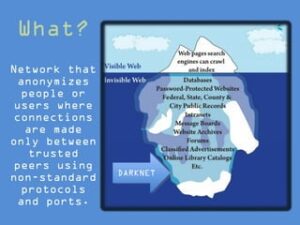
Therefore, cryptomarkets allow buyers to purchase drugs from a far wider selection of dealers—and dealers to reach a far broader market of buyers—than would ever be possible with face-to-face trade. The online trafficking of illicit drugs takes place via a variety of channels, including social media sites, e-commerce platforms, and even via dark pseudonymous networks known as the ‘darkweb’ (Barratt & Aldridge, 2016; Tzanetakis, 2018; Tzanetakis et al., 2015). Cryptomarkets, which are a subset of illicit drug trafficking channels on the darkweb, are platforms that operate in many cases under an almost identical model to eBay (Barratt, 2012).
Key Highlights For A Stronger Digital Strategy
Payment options like credit, debit cards, net banking, and e-wallets contribute to around 40% of all online purchases compared to cash on delivery in India. Owing to the various government initiatives, the online mode of payment is projected to increase during the forecast period. Cash on delivery is popular among consumers in Eastern Europe, and credit/debit card is popular in EU5 except in a few countries where payment wallets such as iDeal are popular. The medications category holds the largest share, of 55%, in 2024, on account of the surge in the sales of OTC as well as prescription medications.
EPharmacy Market Report Scope
The United States, in particular, represents a major market, with a robust regulatory framework supporting the growth of online pharmacies. The market in North America is anticipated to grow at a CAGR of around 11% over the forecast period, supported by continued technological advancements and consumer demand for convenient healthcare solutions. The global online pharmacy market is growing rapidly due to the increasing penetration of the internet, the demand for contactless healthcare services, and the benefit of home delivery. The promotion is also being catalysed by improvements in digital health platforms and e-prescription technologies.

As the routines and restrictions of the working day receded for millions on lockdown, buying drugs online has never been so popular, research shows. Regulatory bodies, law enforcement agencies, and private sector partners must continue to adapt, innovate, and cooperate to outpace increasingly sophisticated threat actors. Central to this effort is the use of advanced blockchain intelligence tools, which provide critical insights for tracing illicit transactions, identifying threat actors, and supporting enforcement actions. The progress made in disrupting illicit networks demonstrates the impact of collective action, but sustained vigilance and adaptability — empowered by cutting-edge blockchain analytics — will be essential to securing the crypto ecosystem in the years ahead. TRM has observed that these manufacturers have adapted their practices in response to intensified law enforcement efforts.
The proliferation of smartphones and high-speed internet has catalyzed this transformation in densely populated urban centers, where time efficiency and access barriers are acute. Regulatory frameworks are also adapting; countries like India and Singapore have introduced national digital health missions that formally recognize e-prescriptions and licensed online pharmacies. The integration of artificial intelligence for personalized health recommendations and automated refill reminders further distinguishes modern ePharmacy platforms. Interventions to reduce both supply and demand for drugs have been gathering pace on the ‘surface web’ (e.g. online information campaigns)(4). Health and law enforcement professionals are also seizing opportunities on the ‘deep web’.