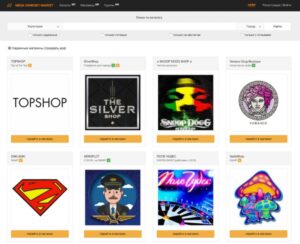
As a result, carding communities are developing new strategies to leverage existing online platforms and withdraw money from stolen credit cards. Comparitech researchers gathered listings for stolen credit cards, PayPal accounts, and other illicit goods and services on 13 dark web marketplaces. For legal reasons, we will not publicly disclose which marketplaces were used.
Protecting Yourself From Credit Card Fraud On The Dark Web
- These systems can often identify when stolen card data is being tested before major fraud attempts begin.
- Simultaneously, customers face the risks of identity theft, damaged credit scores, and the emotional toll of financial fraud.
- Once they access your device, stealing information or hacking becomes a piece of cake.
- This category, known as Dumps on the dark web, encompasses the raw magnetic strip data of credit cards.
- For legal reasons, we will not publicly disclose which marketplaces were used.
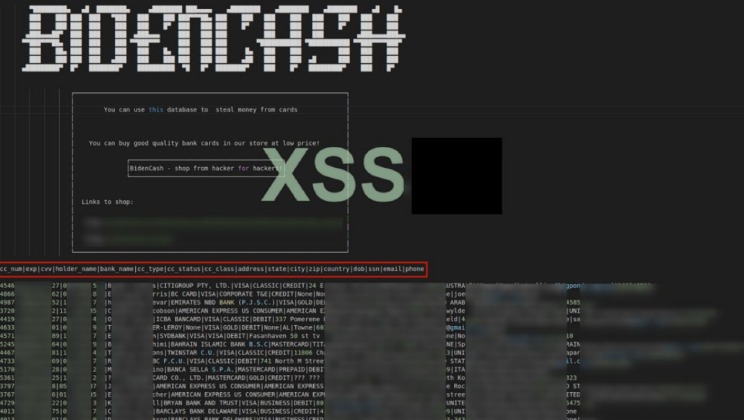
Given the platform’s history of providing genuine data in previous releases, it seems improbable that the shop would risk tarnishing its reputation with a fake pack. However, it’s noteworthy that this recent release lacks the comprehensive data quality that previously set BidenCash apart. However, the validity of the data hasn’t been confirmed yet, so it could very well be auto-generated fake entries that don’t correspond to real cards.
Protecting Yourself From Dark Web Credit Card Fraud
With this stolen information, fraudsters can make unauthorized purchases, withdraw funds, or even create counterfeit credit cards. The risks are real, as victims can face significant financial losses, damage to their credit scores, and potential identity theft. Post the dismantling of Joker’s Stash, cybercriminals displayed adaptability by establishing new marketplaces to fill the void, highlighting the resilience of criminal enterprises. This adaptability underscores the ongoing challenge faced by financial institutions in combating the ever-evolving threat of dark web credit card marketplaces. Much like the situation after Silk Road was taken down, out of the ashes of Joker’s Stash, we have seen dozens of new carding data providers crop up, some specializing in particular regions or types of card data. Dark web transactions play a key role in fund transfers for credit card fraud.
Dark Web Prices For Stolen PayPal Accounts Up, Credit Cards Down: Report
These bundles of personal info are called “fullz“, short for “full credentials.” So instead of looking at the prices of SSNs on their own, Comparitech researchers analyzed the prices of fullz. All content provided on Web Design Booth is for informational purposes only and does not constitute professional advice. We strive for accuracy and authority, but it is recommended to consult with qualified professionals before making decisions based on our content.

How To Unblock Bajaj Finserv EMI Card Online

Information in the listings was entered into a spreadsheet for data analysis and statistical calculations. The technique is very profitable in its own right, but it is also used to help launder and cash-out cryptocurrency obtained through other types of cybercrime. Yale Lodge – the largest dark web vendor of stolen credit cards – has suffered a mass exodus of both customers and stolen data suppliers after apparently stealing their funds. Though the vendor is still online and has blamed the issues on “technical difficulties”, it has been banned and removed from all high-profile cybercriminal forums following a major row in June. The detective started chatting with Track2 over ICQ to learn more and he found out that Track2.name was where untrusted customers go to buy stolen cards.
Dark Web Credit Card Numbers: Understanding The Risks And Fraud
David Hollingworth has been writing about technology for over 20 years, and has worked for a range of print and online titles in his career. He is enjoying getting to grips with cyber security, especially when it lets him talk about Lego. These are often compiled from multiple sources — often from multiple breaches and other similar databases; these rarely cost more than US$100 and can contain millions of records. If you have the need to own 500 million compromised Facebook accounts, that will set you back US$19.99, which honestly may well be over-egging the deal. You can also buy followers, with 50,000 Instagram followers costing would-be influencers US$250.
Dark Web Credit Cards
All major credit card networks including Visa, Mastercard, Discover, and American Express offer $0 liability. Carding shops are a type of dark web marketplace that hosts the trade of credit cards and other stolen financial information. These platforms serve as hubs for cybercriminals to buy and sell compromised payment card details. Credit card skimmers are designed to look exactly like card readers so that people aren’t suspicious of them. When a victim falls for a card skimmer and inserts or swipes their card, their card gets scanned and the card information is sent to the threat actor through Bluetooth. The victim’s transaction still goes through normally, so they won’t even know their card has been skimmed until it’s too late.
What Risks Come With Dark Web Credit Card Fraud?
Web Design Booth may receive compensation from third-party advertisers, which does not influence our editorial content. Abraham Lebsack is a seasoned writer with a keen interest in finance and insurance. These dumps are sought for physical use, enabling activities like cash withdrawals from ATMs. A recent arrest in the Southeast Asia region marked the first time JS-sniffer operators have been caught anywhere in the world. A quick guide for developers to automate mergers and acquisitions reports with Python and AI. Learn to fetch data, analyze content, and generate reports automatically.
Engaging in illegal activities can lead to severe legal repercussions, including fines and imprisonment. Moreover, the financial repercussions for victims of credit card fraud can be devastating. It is important to highlight that participating in credit card transactions on the Dark Web is illegal and unethical. Engaging in illegal activities carries severe legal consequences and can harm individuals and financial institutions. This section is solely for informational purposes, and it is strongly advised to refrain from engaging in any illicit activities. It is important to note that engaging in such activities is illegal and unethical.
The Full List Of Trusted Darknet Markets:
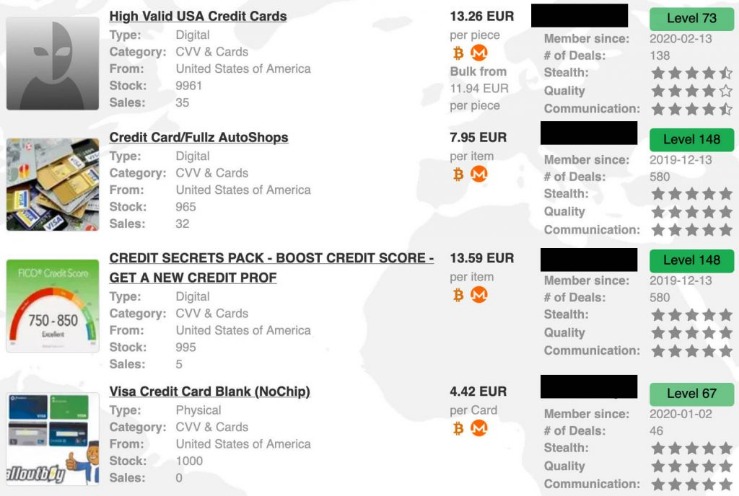
The average cost of one stolen credit card’s information is US $17.36, with about $0.0033 per dollar of the credit limit. The price of a physical or cloned credit card goes up to $171, with $0.0575 per dollar of the credit limit. Once your credit card number has made its way onto the dark web, it’s virtually impossible to have it removed.
Canceling your PayPal account or credit card is a crucial step in preventing further unauthorized transactions. Adding fullz to a card purchase increases the price by about $30 for a physical card and under a dollar for digital card info. Vendors sell additional information about the cardholder, known as “fullz”, which includes the cardholder’s social security number, street address, birth date, and more.
Sometimes hackers will commit “card-present fraud” by breaching the point of the sale at a physical store. Or they’ll commit “card-not-present fraud,” by hacking a website and stealing the online card information that gets entered into the checkout page. As with credit cards, the location of the victim whose information is up for sale has a significant influence on price.
Simultaneously, customers face the risks of identity theft, damaged credit scores, and the emotional toll of financial fraud. Legitimate users of the dark web include activists, or people who live under oppressive regimes, but they only account for a small percentage of the dark web. The sale of payment card information is big business; in 2022, the average price of stolen credit card data averaged between $17 and $120, depending upon the account’s balance. Card data is a hot commodity on the dark web, with credit card details and cloned cards being sold to cybercriminals.