Later, we’ll delve deeper into how to access the dark web, but for now, you should just be aware that if you find yourself on a webpage and have no idea how you got there, it isn’t part of the dark web. Have you ever wondered how come a result pops up on your screen when you type something on a search bar? The World Wide Web is a service that runs on internet infrastructure. Specifically, it’s the network of websites hosted on web servers, connected to the internet.
The Key Differences Between The Deep Web And Dark Web
As you can probably imagine, that’s exactly what threat actors on the internet want to hide their nefarious deeds. If you’ve done any amount of reading about the dark web, you’ve probably seen that iceberg illustration about the World Wide Web. The tip of the iceberg floating above the surface is the portion of the internet we can access through normal means — i.e. browsers and search engines. Cyber hygiene refers to cybersecurity best practices that everyone who actively uses the internet should be implementing to keep themselves and their data protected from common cyber threats.
Legal Standing And Controversies
For instance, money laundering can be detected by correlating cryptocurrency wallet addresses with illicit activities. Law enforcement officials can also set up traps to capture criminals engaged in illegal transactions. The former includes privately protected file collections that one cannot access without the correct credentials. The latter includes internal networks for governments, educational facilities, and corporations. The ‘members only’ parts of public platforms are also a part of the deep web. This anonymity can be achieved in various ways, but most of the sites on the dark web are “onion” sites.
The internet plays host to many other services, such as streaming video, FTP (file transfer protocol), email, etc. For comprehensive protection against scammers, viruses, and ransomware across every layer of the internet, get Norton 360 Deluxe. Despite its reputation, many people use the dark web for legitimate purposes, such as secure communication for journalists, activists, and those seeking uncensored information. Accessing the deep web is simple, and you likely use it daily when logging into private accounts like Gmail, your bank account, or even streaming services like Netflix or Disney+. The impact of threats like compromised employee credentials is colossal. Log360 uses its threat intelligence and incident response to leverage the extensive coverage of dark web sources to identify such threats sooner and empowers you to take actions promptly.
Legal Implications
This very well-known territory hides a lot more – a giant called the deep web and an even smaller part called the dark web. The deep web hosts a variety of content necessary for everyday activities that require privacy and security, such as email accounts, subscription services, paywalled content, and private business databases. Most of the content is legal and designed to protect users’ sensitive information by keeping it secure behind databases and password-protected sites.
Key Differences Between The Deep Web And Dark Web
However, in practice, security flaws in Tor and incorrect server configurations can expose this information to those interested in accessing it. Here are a few reasons why people rely on these varying parts of the web. Obscurity is cheap to implement, both financially and in administrative overhead. The unfortunate disadvantage is that the obscurity itself is illusory, and growing more so everyday, giving those who depend on it a false sense of security about their assets. Authentication is much better at preventing unauthorized access to resources.
Authorities from several countries have taken down some networks and sites, arresting the owners, such as Silk Road. You may have heard of the terms shadow web, dark web and deep web is used when referencing the internet but aren’t quite sure what they mean. While the media often uses the terms deep web vs dark web vs shadow web interchangeably, they do refer to different areas of the web. Here you can learn the key differences between Deep Web vs Dark Web vs Shadow Web and what each of these terms refers to. If you want to access the Dark Web, follow the security measures pointed out in this blog to be safe and anonymous while reaching out.
- Most definitions of the surface web reference conventional search engines’ ability to index a site.
- That’s how we were able to discover the remains of the RMS Titanic.
- In particular, you will need a VPN connection and a secure web browser (such as the Tor browser).
- Take a closer look at the differences between the two, and use Norton 360, with built-in VPN and AI-scam technology, to encrypt the data you send and receive online and help protect against scams.
- The Dark Web first emerged with the creation of Freenet in the early 2000s.
As these spiders capture Web pages, they follow embedded links to uncover additional content. Later, when people search for specific content, the results appear in a search engine such as Google, where the content is then openly viewable. The deep web is more extensive than the surface web familiar to most web surfers. Unlike surface websites, which are accessible and indexed by the major search engines, nothing in the deep web is ever indexed.
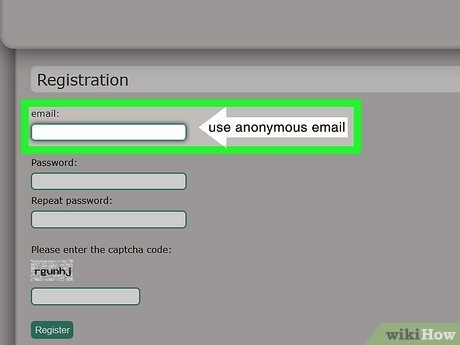
Accessing Dark Web Sites
There are multiple internet layers, and not everything is available for everyone. We’ll quickly define the dark and deep webs before getting into different monitoring approaches for security teams. The web lets us use search engines such as Google to access thousands of websites.
Deep Web Vs Dark Web: What Is The Difference?
For most people who do not fall under this category, everything you could want is readily available on the surface web. However, if you’re determined to access the dark web, there are several steps you should take to protect yourself. Pay close attention to the data permissions you authorize, which means you don’t want to click “yes” each time a popup appears on a website asking for it.
- Dark web risks emanate from the vulnerabilities of its underlying technology — the Tor network.
- Niche apps like qTOX haven’t gained traction, and although Signal saw a slight uptick in use, it remains marginal.
- Both refer to unseen parts of the internet, but their purposes, access methods, and risks differ significantly.
- Despite its depths, not all of the deep web poses a threat; indeed, much of it enhances global knowledge and educates individuals participating in specialized fields.
- Authentication is much better at preventing unauthorized access to resources.
The Gray Web is referred to the part of the Surface Web where fraudsters discuss or research their activities. However, the Surface Web represents only the tip of the iceberg when it comes to the internet – the majority of it is actually hidden. The dark web comprises purely non-indexed websites often used for illegal activity, whereas the deep web hosts paywalled and password-protected sites. In this dark web vs deep web guide, we discuss how they differ in terms of underlying technology, applications and more. Finally, law enforcement agencies can access the dark web to detect illegal activity, such as weapon deals, drug distribution, and financial crimes.
Is Accessing The Dark Web Illegal?
Although they share similarities, these parts of the internet serve very different purposes. Knowing the difference between the Deep Web and the Dark Web is vital for online security and privacy. The dark web also has specialist websites available for whistleblowers who want to expose corruption or illegal business practices.
Cybercriminals, internet scammers, hackers, and internet brokers use it for lethal purposes. People use the Dark web for purposes of Human trafficking, hiring hitmen, selling weapons and drugs, child pornography, racist content, and content that speaks hate about minorities and otherwise. One cannot reach the Dark Web so easily since they have created strong encryption that is unreachable to the average user. Internet is a virtual world with billions of devices which means there is uncountable internet traffic.
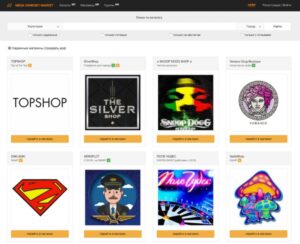
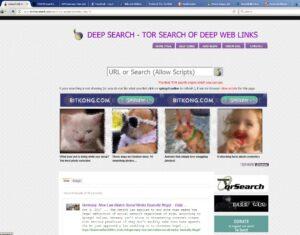
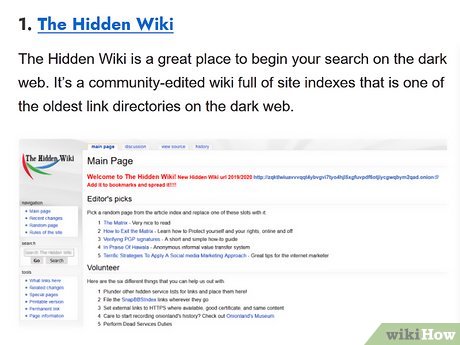
Examples Of Dark Web Resources
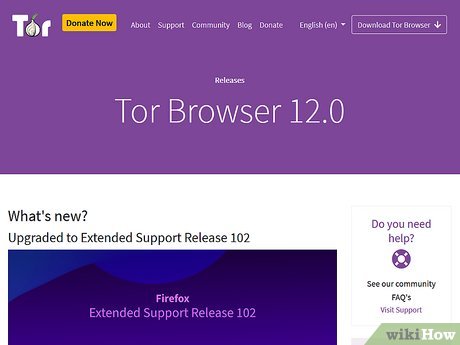
It comprises just a tiny fraction of the Deep Web, but its potential for misuse makes it a subject of significant concern for security teams and law enforcement. As a subset of the Deep Web, the Dark Web represents an even smaller, more specialized portion of the online landscape. Shadow web is nearly guaranteed to be an urban legend about a net deeper than the darknet that contains even more illegal stuff. The easiest way to access the dark web is to download a Tor browser and then access the Tor Network.
The dark web is the smallest part of the internet ecosystem—even smaller than the surface web. It only hosts a few thousand sites, accounting for just 0.01% of the entire internet. The dark web’s infrastructure serves those needing privacy, including activists, whistleblowers, political dissidents, and even regular citizens attempting to escape censorship or persecution. In this guide, we examine the differences between the deep web and the dark web. To give you the full picture, we also explain what the clear web (surface web) is. Let’s explore their differences and the security implications of each layer.