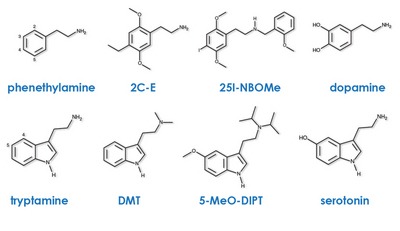
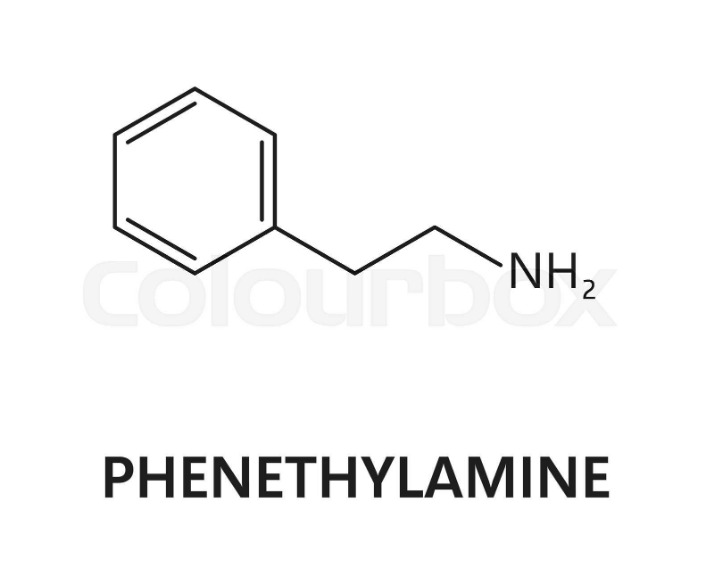
Generally, pure phenethylamine is not listed as a controlled substance, allowing for its legal purchase and possession. Supplements containing phenethylamine are frequently promoted as stimulants or mood enhancers in dietary products. It’s important to note that while the FDA does not regulate supplements as rigorously as pharmaceuticals, it does oversee their safety. It’s worth mentioning that the effects of PEA are typically short-lived, as it is quickly metabolized by enzymes like monoamine oxidase (MAO). Additionally, high doses of PEA or its use in supplement form may lead to adverse side effects, such as elevated blood pressure and heart rate, particularly in those who are sensitive to stimulants. PEA is involved in various biological processes, functioning as both a neuromodulator and neurotransmitter in the brain.
While much remains to be discovered, the current body of evidence suggests that PEA could play a significant role in developing new approaches to treating various neurological and psychiatric conditions. From depression and ADHD to Parkinson’s disease and beyond, the therapeutic potential of PEA offers hope for those seeking alternative or complementary treatments. The importance of PEA in brain function and dopamine regulation cannot be overstated. Its ability to influence our mood, motivation, and cognitive performance underscores the delicate balance of chemicals that govern our mental states. As we continue to unravel the mysteries of the brain, PEA serves as a prime example of how even small molecules can have profound effects on our overall well-being.
May Improve Moods And Reduce Depression
PEA may have certain adverse consequences, especially when taken in high dosages. These symptoms can include tension headaches, motion sickness, nausea, a faster heartbeat, and high blood pressure. PEA may potentially interact with other drugs, notably those that change the brain’s levels of monoamine neurotransmitters. Before using PEA, it’s vital to speak with a doctor, especially if you’re on any drugs or have any underlying medical issues. Hyperthermia (temperature ≥40 °C) can be treated with sedation and rapid cooling. Controlling excessive muscle activity is important in treating hyperthermia 54.
What Are Phenethylamines?
We understand that reading individual, real-life experiences can be a helpful resource, but it is never a substitute for professional medical advice, diagnosis, or treatment from a qualified healthcare provider. People taking MAO inhibitors, which are used for treating depression, anxiety, and other neurological illnesses like Parkinson’s, or those that have a condition known as phenylketonuria (PKU) should not take phenethylamine. Phenethylamine and its derivatives are classified as stimulants under the World Anti-Doping Agency’s (WADA) Prohibited List.

List Of Substituted Phenethylamines
The fluorescence intensity of 2′,7′-dichlorofluorescin (DCF) (which forms in cells in the presence of ROS) recorded in treated cultures was normalized on those recorded in the untreated control cultures, accounted equal to 1 and expressed as a ROS fold increase. The MNi frequencies (number of MNi/10,000 nuclei) recorded in treated cultures were normalized on those recorded in the untreated control cultures, accounted equal to 1 and expressed as MNi frequency fold increase. In addition, to make the genotoxicity test reliable, it is necessary to check the cellular proliferation in order to verify that a sufficient number of cells has undergone mitosis and so transmitted the genetic damage suffered to the daughter cells. For this purpose, the OECD recommends the measurement of the Relative Population Doubling (RPD) to estimate the cytostasis and, analogously to the cytotoxicity, establishes a threshold at most equal to 55 ± 5% 45. The concentrations that caused an RPD value well above 55 ± 5% were all the ones up to 35 µM for 2C-H, 2C-I and 2C-B, up to 12.5 µM for 25B-NBOMe and all the concentrations tested for MDMA (Table 1).
Insights For Phenethylamines

However, as mentioned previously, neuroleptics have a long history of safe use in undifferentiated agitation, and it is felt their benefit of use outweighs this risk. It is essential to be cautious about using phenethylamine drugs and supplements, especially when mixed with other stimulants or taken in excess. When individuals become dependent on these substances, they often struggle to break free from the cycle of abuse despite the devastating consequences. Fortunately, WhiteSands Treatment offers addiction recovery programs in Florida that assist individuals in overcoming substance abuse related to phenethylamine and guide them toward sustainable recovery and improved mental health. Our caring team is committed to delivering personalized care that meets your specific needs, utilizing evidence-based therapies and support throughout your recovery journey.
ToxCard – Novel Phenethylamines: 2-C And N-BOME
SSRIs work by blocking the serotonin transporter and inhibiting the reuptake of the neurotransmitter in your brain called serotonin. PEA is currently being studied and used for the treatment of ADHD, depression, bipolar disorder, cognitive dysfunction like brain fog and poor concentration. Phenylethylamine (PEA) quickly crosses the blood-brain barrier once you take it. Remember, everyone’s experience with psychoactive substances is unique, as is the integration process.
Amphetamine
This protocol has numerous advantages over the standard procedure via optical microscopy, including speed and economic efficiency, as it reduces sample preparation and analysis times by up to 80% with considerable cost savings. The automation of the analysis also makes it possible to overcome the problem of the subjectivity of the interpretation by the operator and to analyze a ten-fold greater number of events 46. In view of these undeniable advantages, we used this protocol in our previous publication regarding the genotoxicity of some synthetic cannabinoids, confirming its usefulness, validity, and efficacy. In fact, it allowed us to analyze 6 different compounds in a short time, highlighting their genotoxic properties even at low concentrations with more objective and statistically robust results 47.
Psychedelic phenethylamines commonly act to increase neurotransmitter levels, oftentimes by interrupting storage of neurotransmitters in vesicles and reversing the flow the neurotransmitter reuptake pumps. Some may appreciably block neurotransmitter reuptake themselves or have inhibitory activity at monoamine oxidase. Phenethylamines can exert a variety of effects that varies from agent to agent based on the way it interacts with its neuronal target. Phenethylamine can cause neurotransmitter release through interactions with neurotransmitter packaging and reuptake pumps. It can also block those neurotransmitter reuptake pumps to increase the amount of neurotransmitter in the synapse. Phenethylamine can also directly stimulate the postsynaptic receptors to exert its effects.
- If autonomic hyperactivity secondary to abnormal dopamine processing is to blame for the clinical presentation of excited delirium, then rapid sedation of the patient and attenuation of catecholamines is the goal.
- Just prior to the discovery of multiple subtypes of brain 5-HT receptors (see below), it was found that 3Htryptamine labeled a population of rat brain receptors distinct from any 5-HT receptor types then known (see Grandy3 for a review).
- After 24 h, the cells were stimulated with 10 µM DA for 60 min and washed thrice with warm serum-free medium.
- The potential of PEA in improving mental health and cognitive performance is an exciting frontier in neuroscience research.
- However, there is insufficient evidence to claim that phenethylamine improves mood 10.
- During recovery, the catheter was flushed once daily with 0.2 mL of heparinized saline (30 IU/mL) including gentamicin sulfate (0.33 mg/mL) to prevent clotting and infection.
Binding Poses Analysis
In support of this, amphetamine-induced locomotor activity was significantly attenuated in DA D1-deficient mice 30, and the rewarding effect produced by cocaine or methamphetamine was blocked by a D1R antagonist in a conditioned place preference (CPP) study 30. Later, animals were trained to discriminate racemic α-ET from vehicle,113 and greater than one year of training was required to establish the stimulus cue (see comments in Section 10 on training animals to discriminate MDA from vehicle). Α-ET stimulus generalization occurred to PMMA and DOM, and partial generalization was seen with (+)amphetamine (Table 8). Taken together, the results indicated that S(+)α-ET was, primarily, a DOM-like agent, R(-)α-ET was more of a (+)amphetamine-like agent, and that both isomers produced a PMMA-like effect. The results are noteworthy because they showed that the stimulus effects of certain indolalkylamines, as well as phenylalkylamines, might be explained by the Venn diagram depicted in Figure 10.
Scientists are investigating whether phenethylamine can curb appetite, increase metabolism, and affect weight loss based on its influence on neurotransmitter levels. Since dopamine and other catecholamines are released during excitement or arousal, phenethylamine has been linked to sexual drive and feelings of pleasure. Phenethylamine is therefore sometimes referred to as the “love drug,” though clinical trials are completely lacking 30, 31. Increasing these neurotransmitters in certain brain areas may, in theory, promote a positive mood and lead to a greater sense of well-being.

This means that most polar agents (i.e., those that are not very lipophilic – simple phenols, catechols, carboxylic acids, quaternary amines) typically fail (or display a reduced ability) to gain entry to the brain. Other agents, those possessing unprotected primary amines, such as PEA (1) or tryptamine – agents of moderate lipophilicity – if they penetrate the BBB, are rapidly metabolized by enzymes such as monoamine oxidase (MAO). As a consequence, polar agents usually possess minimal, if any, central activity. Our early studies involved the use of a peripheral rat fundus tissue preparation to investigate centrally-acting agents; the preparation was known to possess serotonin (5-hydroxytryptamine, 5-HT) receptors, and was also reported to possess tryptamine receptors. This preparation was selected because several centrally-acting indolealkylamines (i.e., tryptamines) were already known to act at fundus 5-HT receptors as agonists.
The hypothesis that the repeated consumption of 2C-H, 2C-I, 2C-B, and 25B-NBOMe at low doses could proceed without people reporting serious acute side effects could appear reassuring, but instead is potentially alarming. Indeed, this phenomenon would be difficult or even impossible to detect if we analyzed only subjects who have hazardous behaviors or require hospitalization. In fact, there would be a potential “grey zone” of subjects whose use or abuse would not be screened 78; these subjects, by using active but still “safe doses” of 2C-H, 2C-I, 2C-B and 25B-NBOMe, could run into mutagenesis and carcinogenesis processes. What about phenethylamine or amphetamine compounds with two methyl groups on the nitrogen? The parent amphetamine example, N,N-dimethylamphetamine, has received much notoriety lately in that it has become a scheduled drug in the United States. Ephedrine is a major precursor in the illicit synthesis of methamphetamine, and with the increased law-enforcement attention being paid to this process, there has been increasing promotion of the unrestricted homologue, N-methylephedrine, to the methamphetamine chemist.
Depending upon terminal amine and aryl substituents, stereochemistry, and the nature of the α side chain, these agents can act as releasing agents or re-uptake inhibitors at DAT, NET, and/or SERT. By “mixing and matching” the various substituents, certain cathinone analogs could possess “mixed” or “hybrid” actions.75 This, once again, underscored the concept that small structural alterations to the phenylalkylamine scaffold can have a significant impact on pharmacology. Nevertheless, PEA (1)-caffeine combinations require investigation in documented scientific studies. And used irresponsibly could produce the same dangerous side effects as anything else in the amphetamine-class of compounds. Some naturopaths are beginning to prescribe PEA instead of stimulants like amphetamines or methylphenidate to treat ADHD.